
Guide to Storing Produce
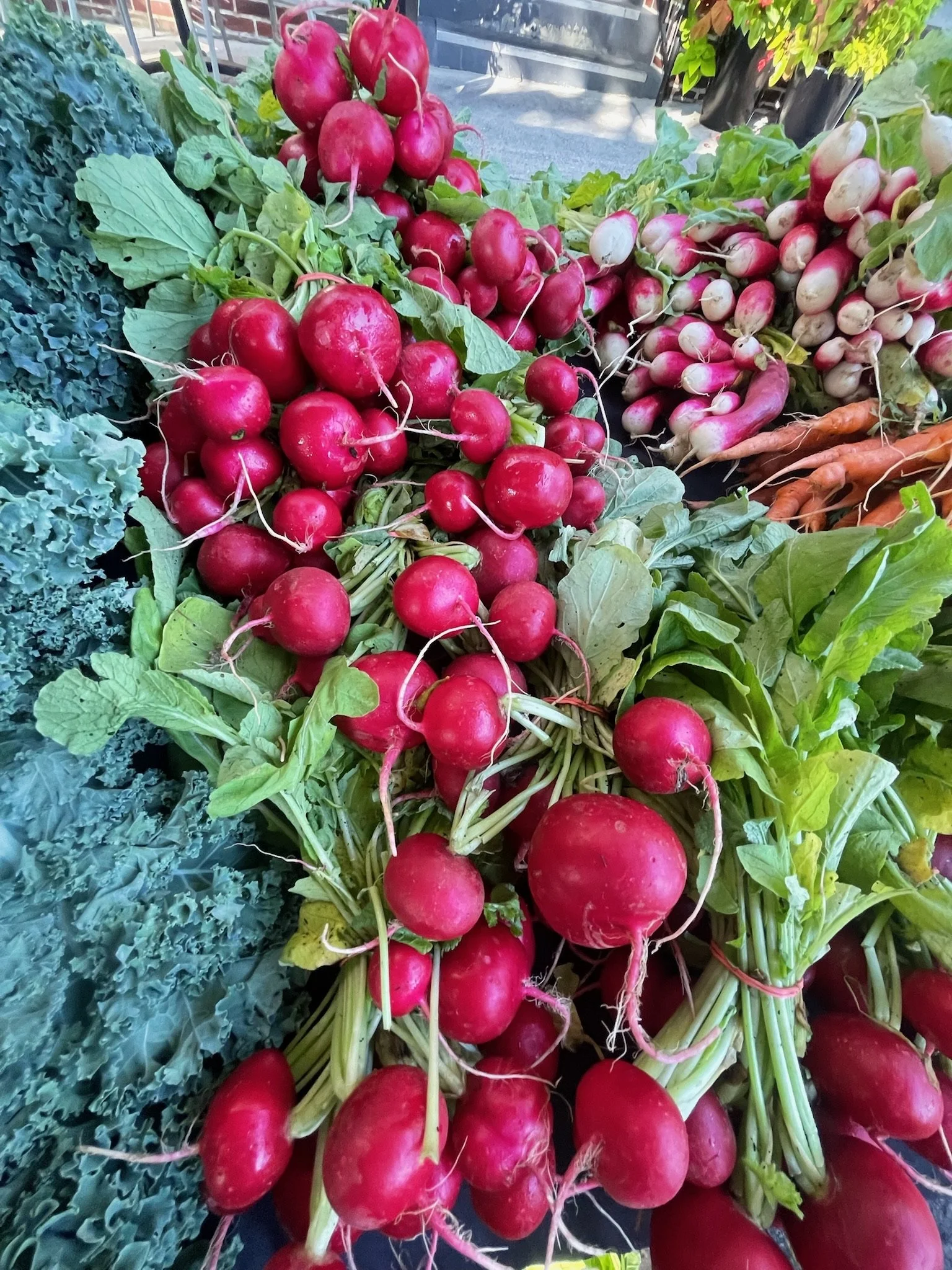
One of the best parts of shopping at the farmers market is bringing home freshly harvested fruits and vegetables. Because local produce is often picked within days, or even hours, of reaching your kitchen, proper storage is essential for preserving flavor, texture, and freshness.
Use this guide to help your fruits and vegetables last longer and reduce food waste.
Fresh PA Produce Storage
-
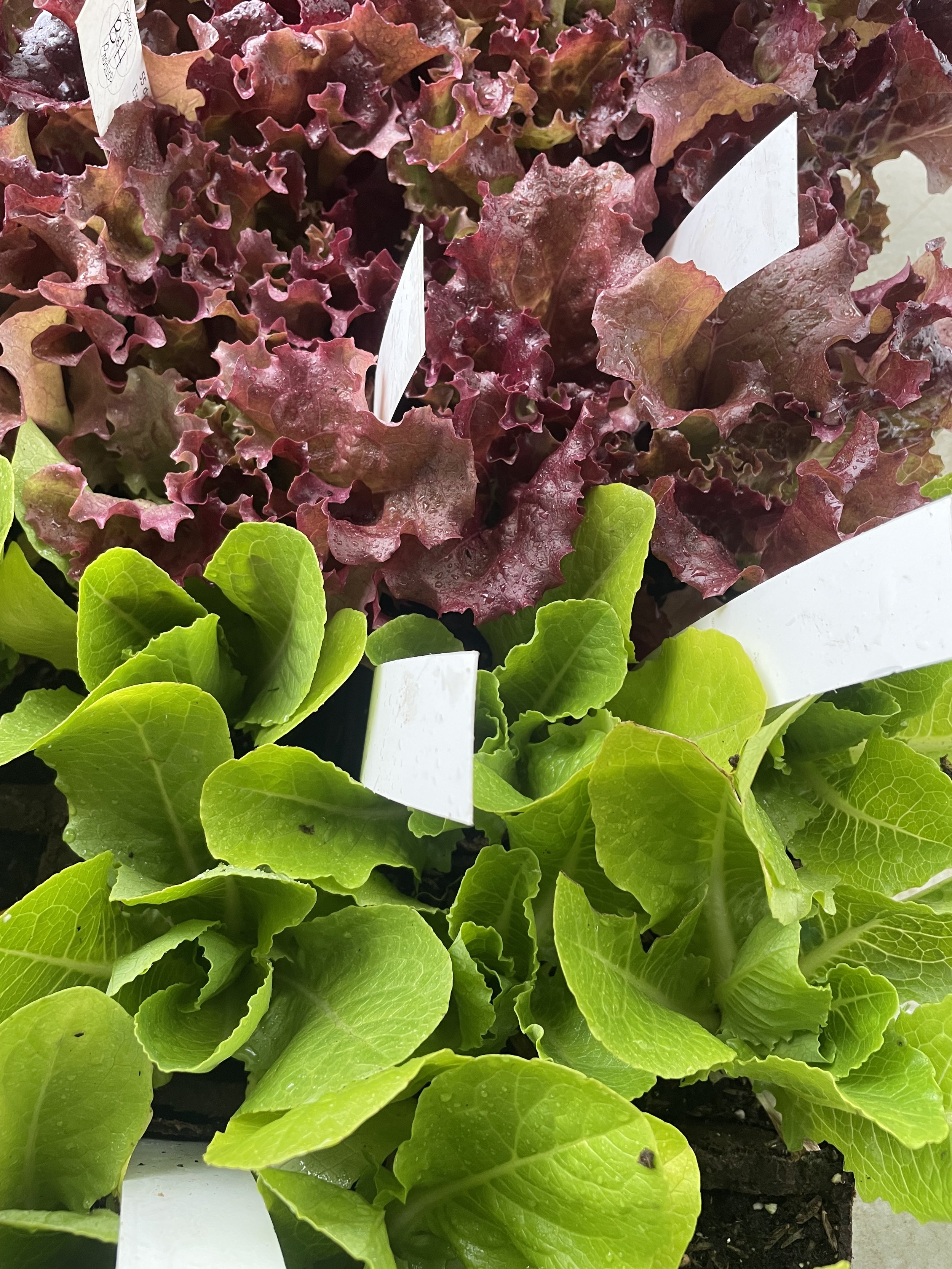
Leafy Greens
Examples: Lettuce, spinach, kale, Swiss chard, arugula
Best Temperature: 32–40°F
Best Container: Airtight container or reusable produce bag lined with a dry kitchen towel or paper towel
Storage Tips:
Remove rubber bands or ties.
Wash only when ready to use.
Replace damp towels as needed.
Most greens will stay fresh for 5–10 days.
-
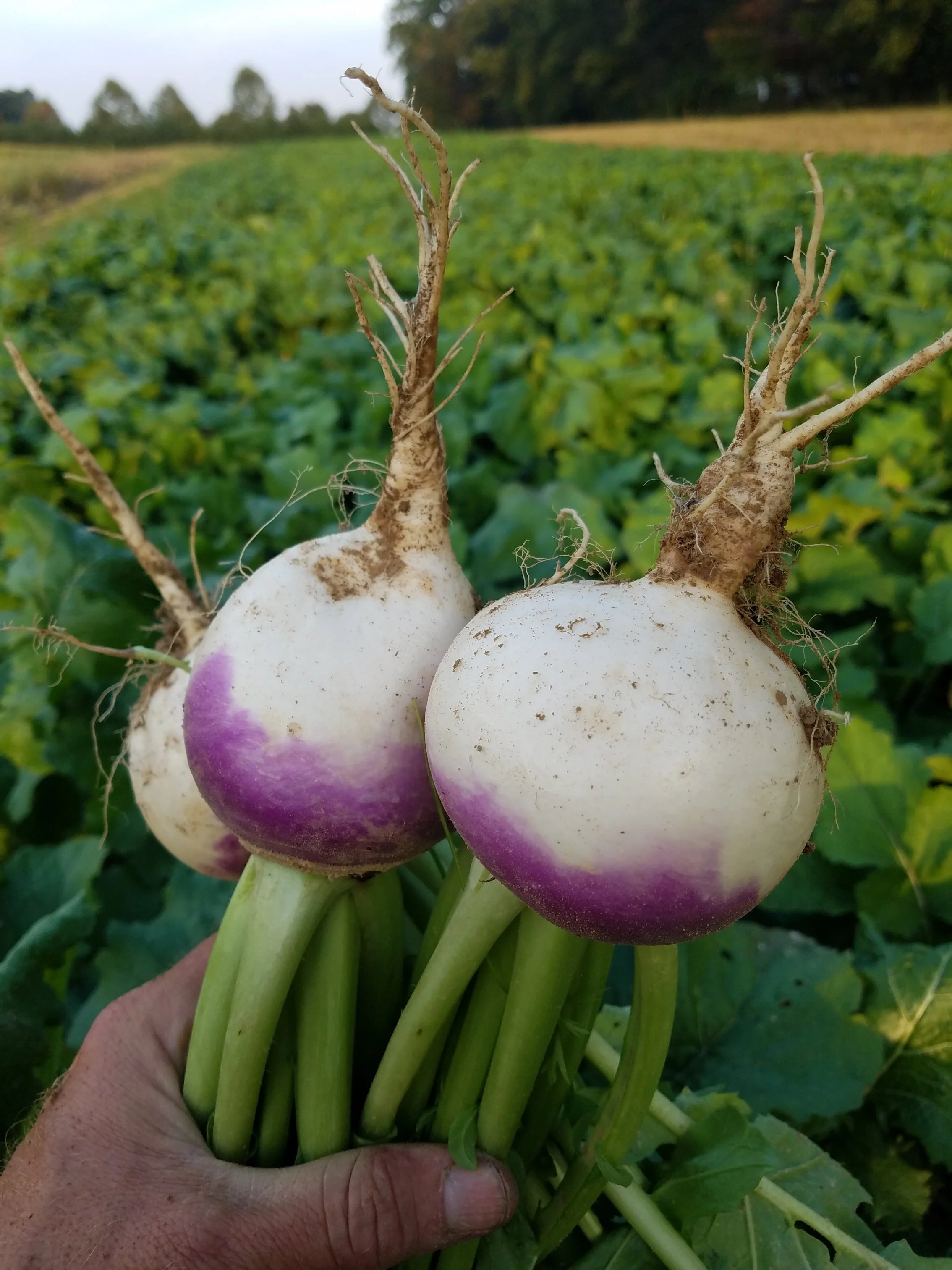
Root Vegetables
Examples: Carrots, beets, radishes, turnips
Best Temperature: 32–40°F
Best Container: Perforated plastic bag or sealed container
Storage Tips:
Remove leafy tops immediately.
Store roots separately from greens.
Can last several weeks when properly stored.
-
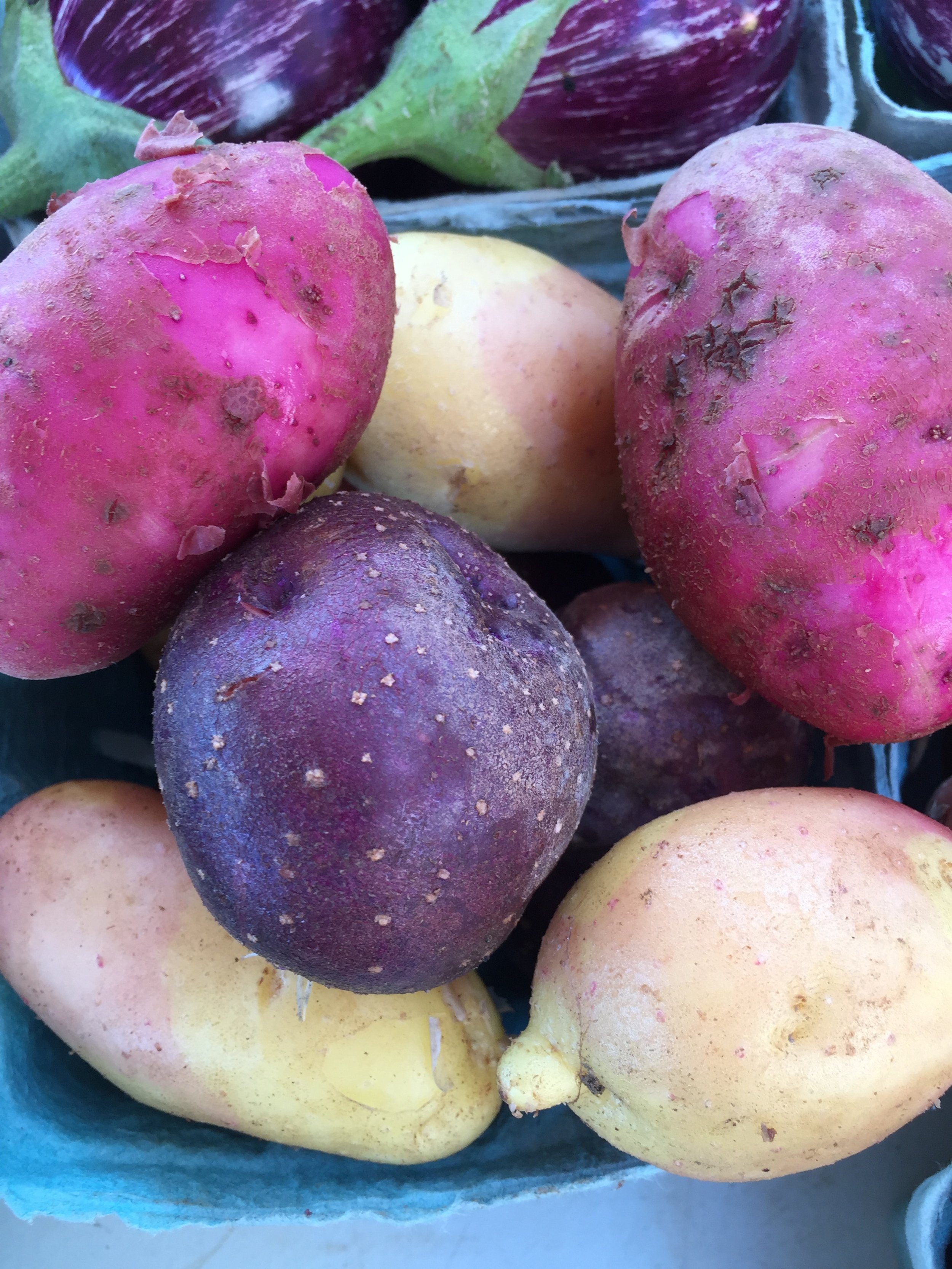
Potatoes
Best Temperature: 45–55°F
Best Container: Paper bag, cardboard box, or basket
Storage Tips:
Keep in a cool, dark location.
Never refrigerate potatoes; cold temperatures can affect flavor and texture.
Keep away from onions.
Storage Life: 1–3 months
-
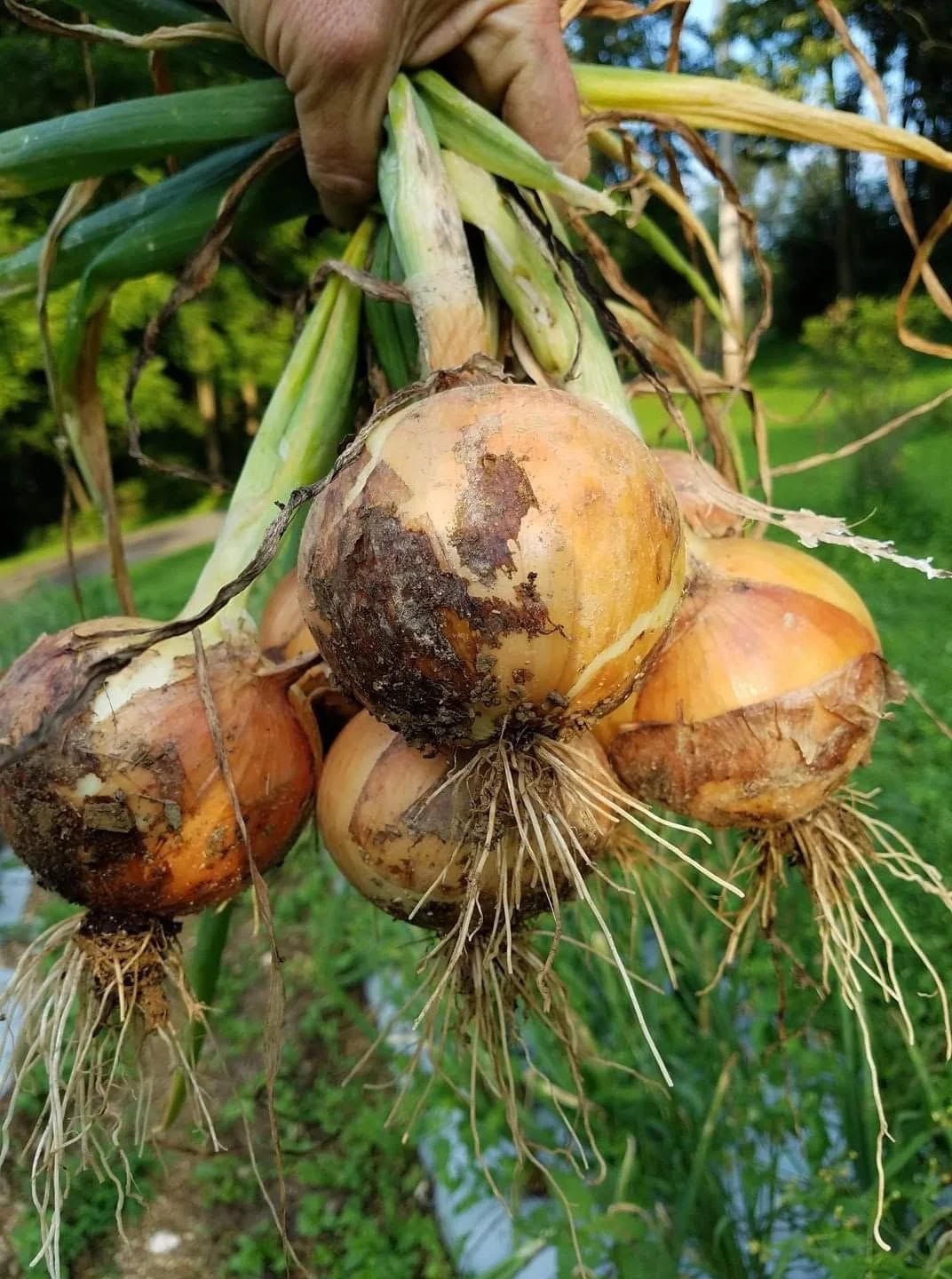
Onions and Garlic - cured
Best Temperature: 45–55°F
Best Container: Mesh bag, basket, or crate with good airflow
Storage Tips:
Store in a dry, dark place.
Avoid sealed containers.
Keep separate from potatoes.
Storage Life: 1–6 months depending on variety.
-
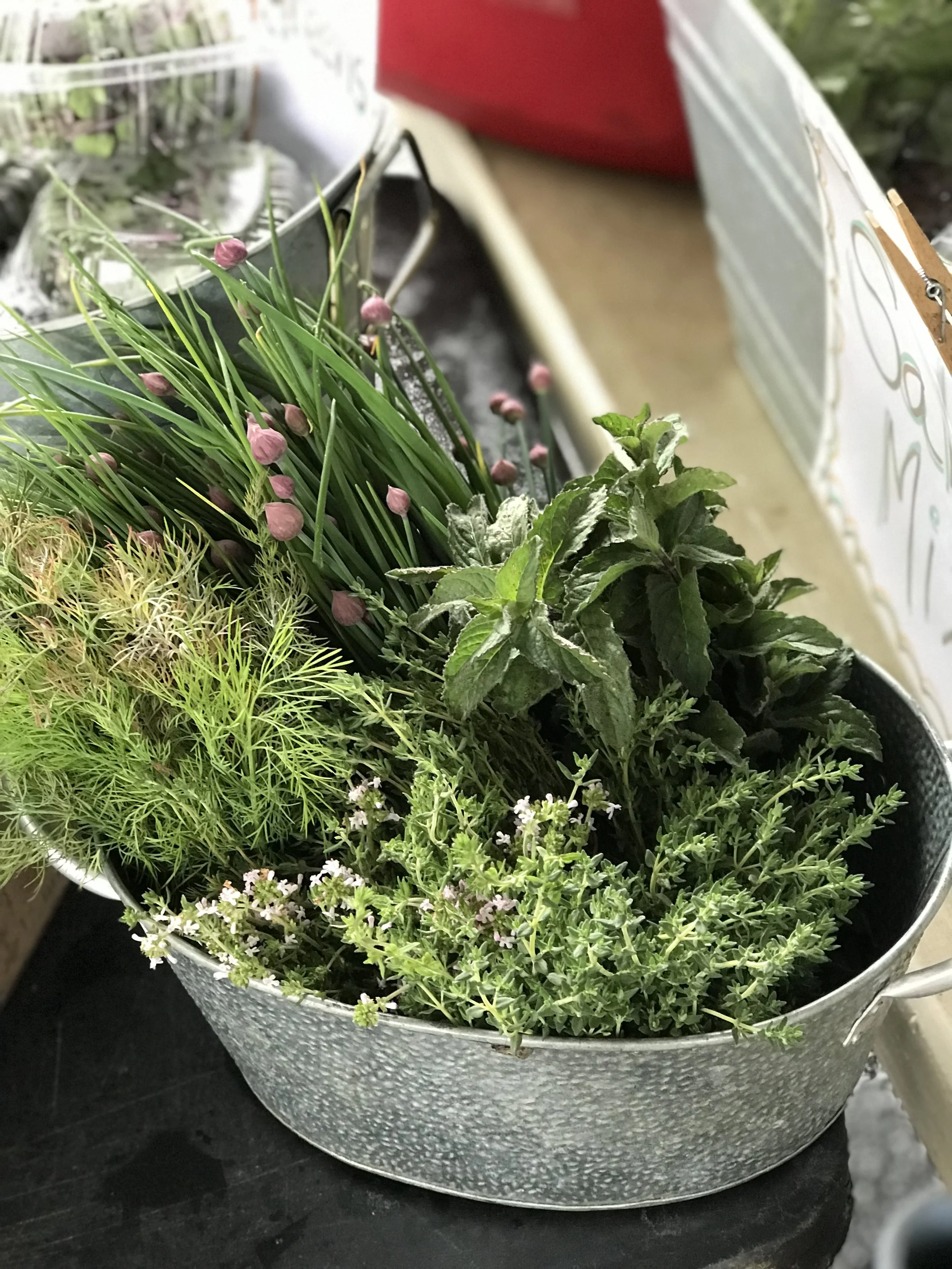
Herbs
Examples: Tender Herbs: Parsley, cilantro, dill, basil. Woody Herbs: Rosemary, thyme, sage, oregano
Best Temperature: 35–40°F (except basil)
Storage Tips:
Glass jar with 1–2 inches of water. Refrigerate parsley, cilantro, and dill with a loose plastic bag over the top.
Glass jar with 1–2 inches of water. Basil prefers room temperature and should not be refrigerated.
Reusable container lined with a slightly damp towel for rosemary, thyme, sage, oregano
-
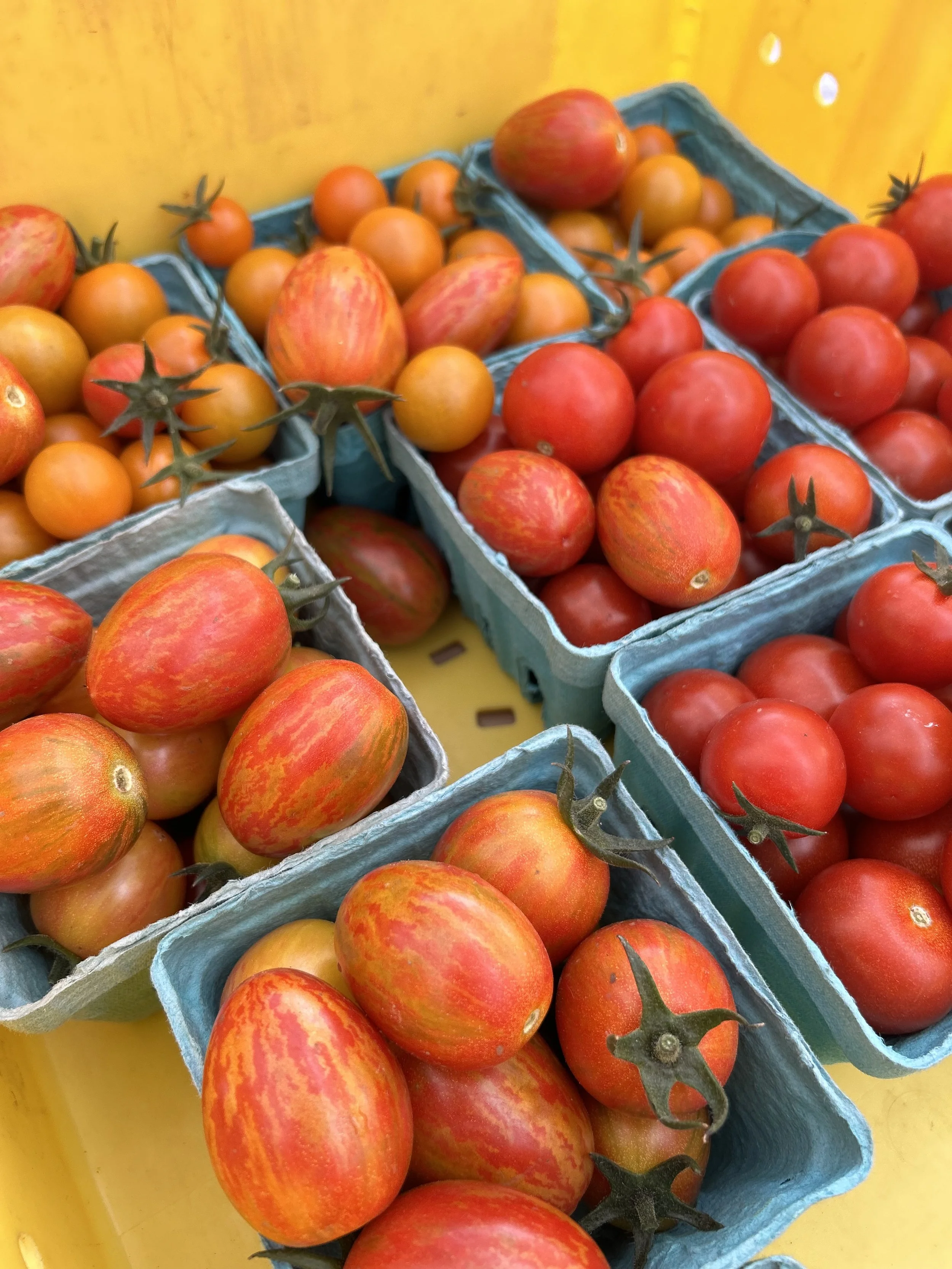
Tomatoes
Best Temperature: 55–70°F
Best Container: Open bowl or countertop tray
Storage Tips:
Keep out of direct sunlight.
Refrigeration can reduce flavor.
Store stem-side down to reduce moisture loss.
Storage Life: 3–7 days
-
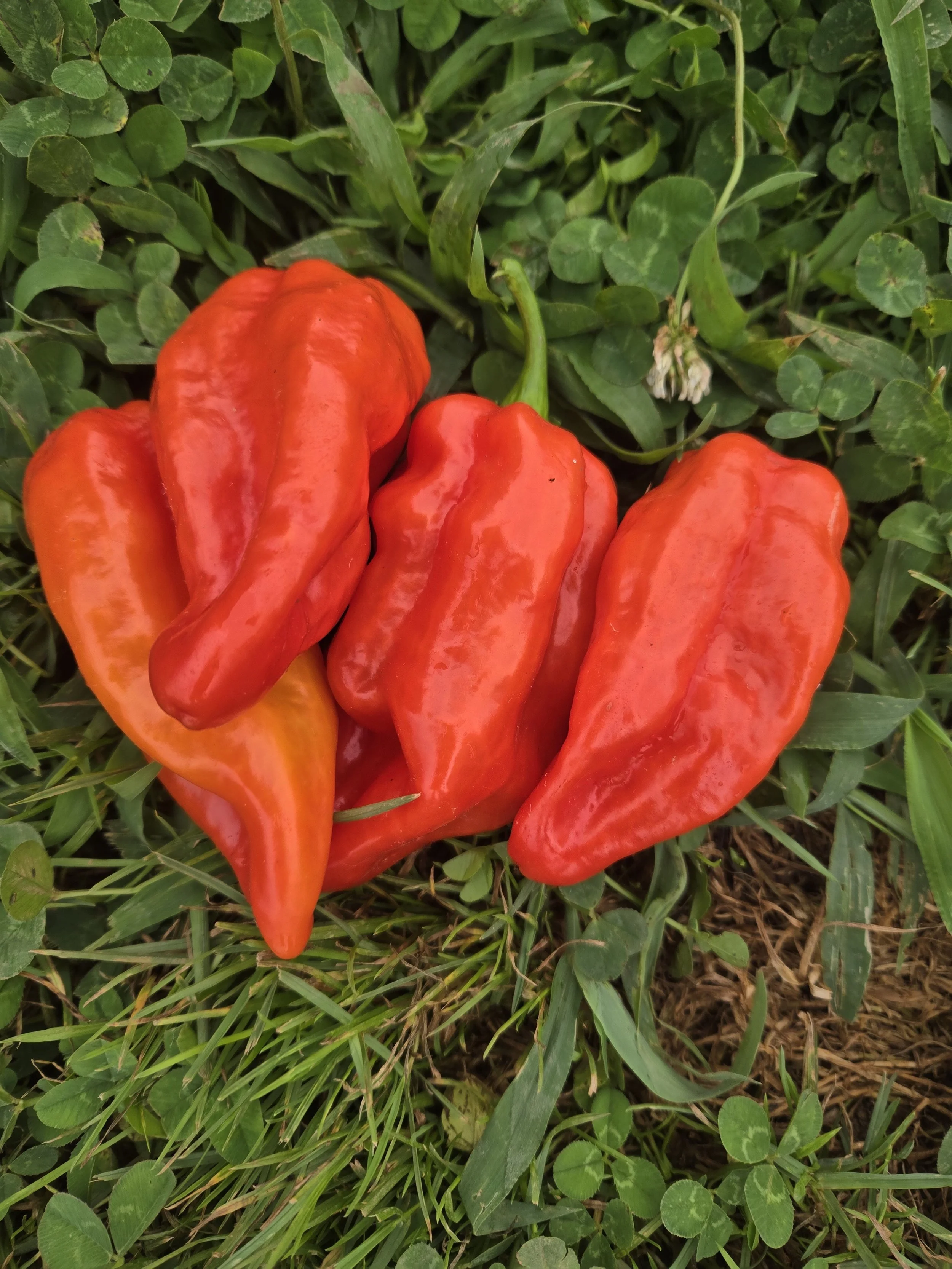
Cucumbers, Peppers, and Summer Squash
Best Temperature: 45–50°F
Best Container: Produce drawer or perforated produce bag
Storage Tips:
Keep dry until use.
Avoid storing near ethylene-producing fruits.
Storage Life: 1–2 weeks
-
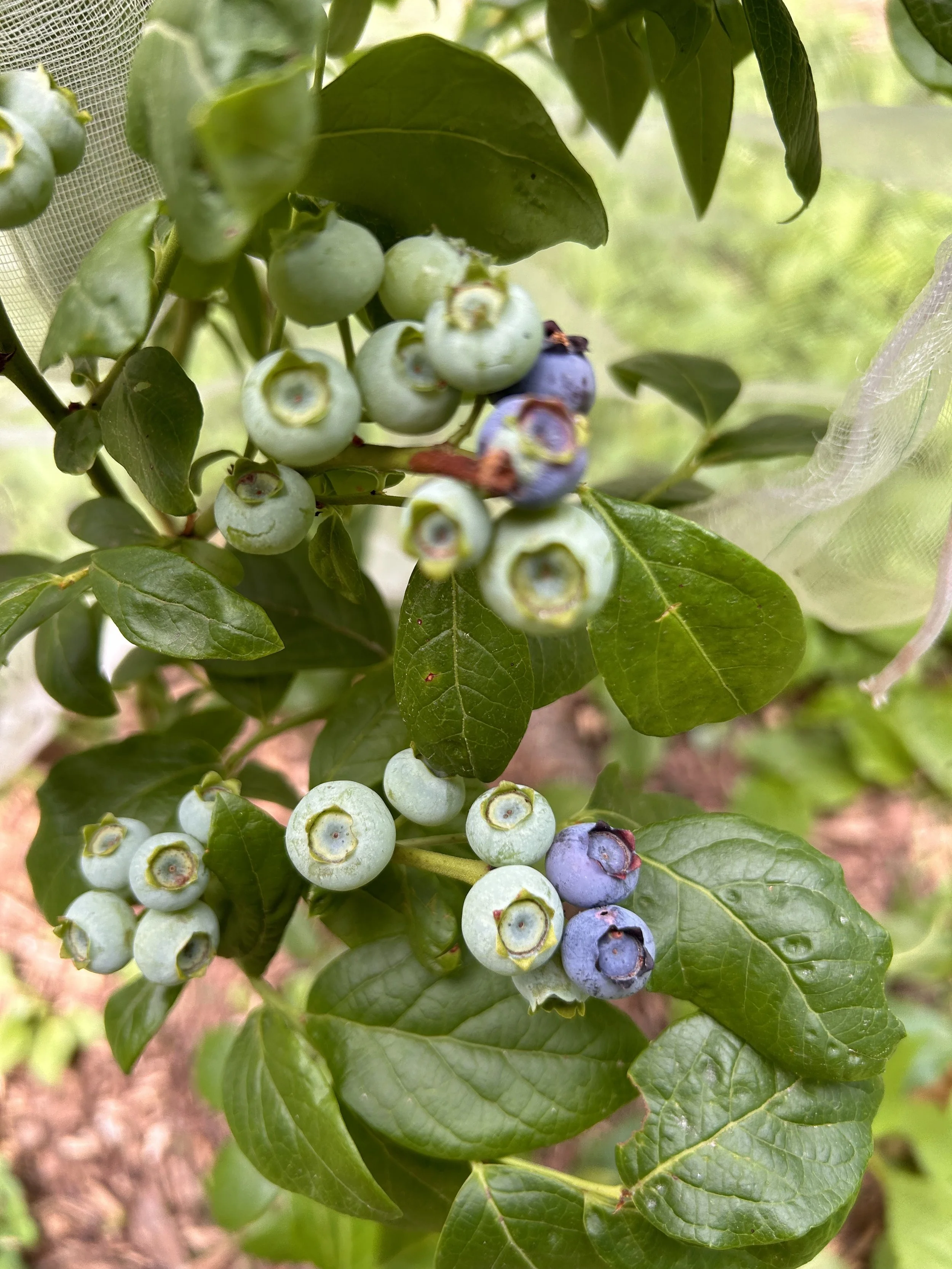
Berries
Examples: Strawberries, blueberries, raspberries, blackberries
Best Temperature: 32–36°F
Best Container: Original ventilated container or shallow storage container
Storage Tips:
Do not wash before storing.
Remove damaged berries immediately.
Store in a single layer when possible.
Storage Life: 3–7 days
-
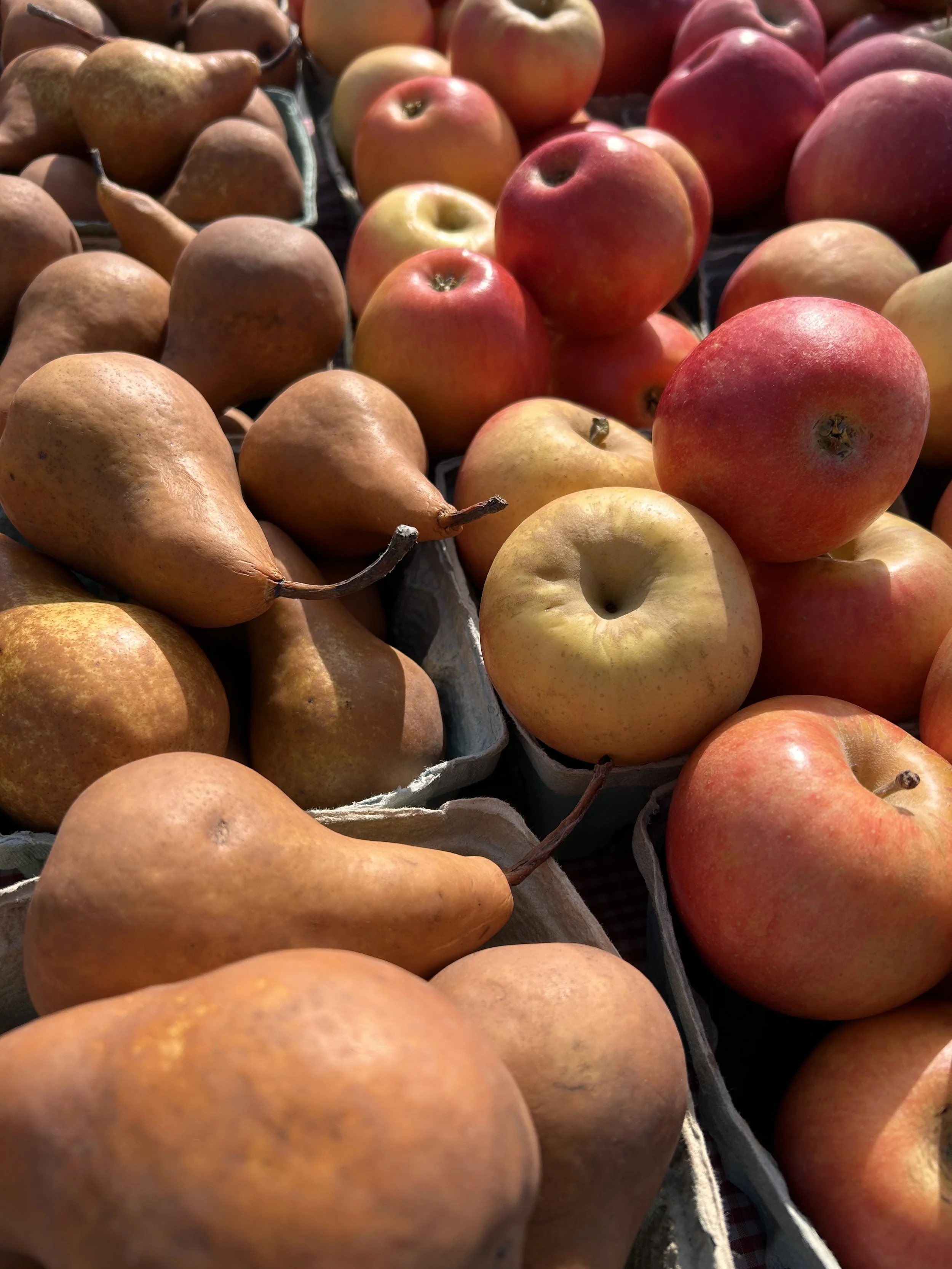
Tree Fruit - Apples and Pears
Examples: Apples, pears
Best Temperature: 32–40°F
Best Container: Refrigerator crisper drawer or ventilated container
Storage Tips:
Keep away from leafy greens because they produce ethylene gas.
Check regularly for bruised fruit.
Storage Life: Several weeks to several months.
-
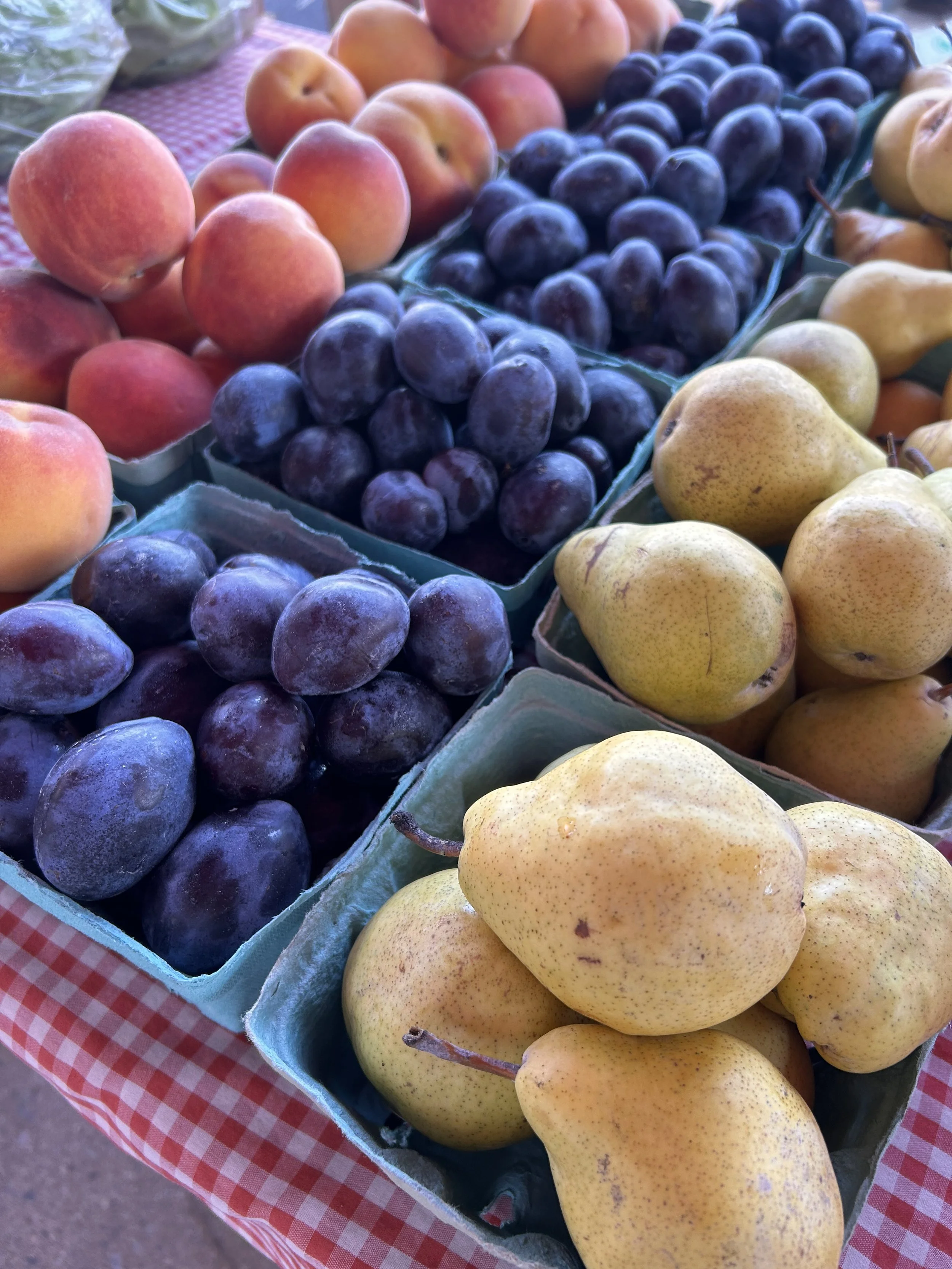
Stone Fruits - Peaches, Plums, Nectarines, and Apricots
Examples: Peaches, plums, nectarines, apricots
Best Temperature: 65–70°F until ripe, then 32–40°F
Best Container: Countertop bowl for ripening, refrigerator after ripening
Storage Tips:
Allow fruit to soften naturally before refrigerating.
Refrigeration slows further ripening.
Storage Life: 3–7 days after ripening.
-
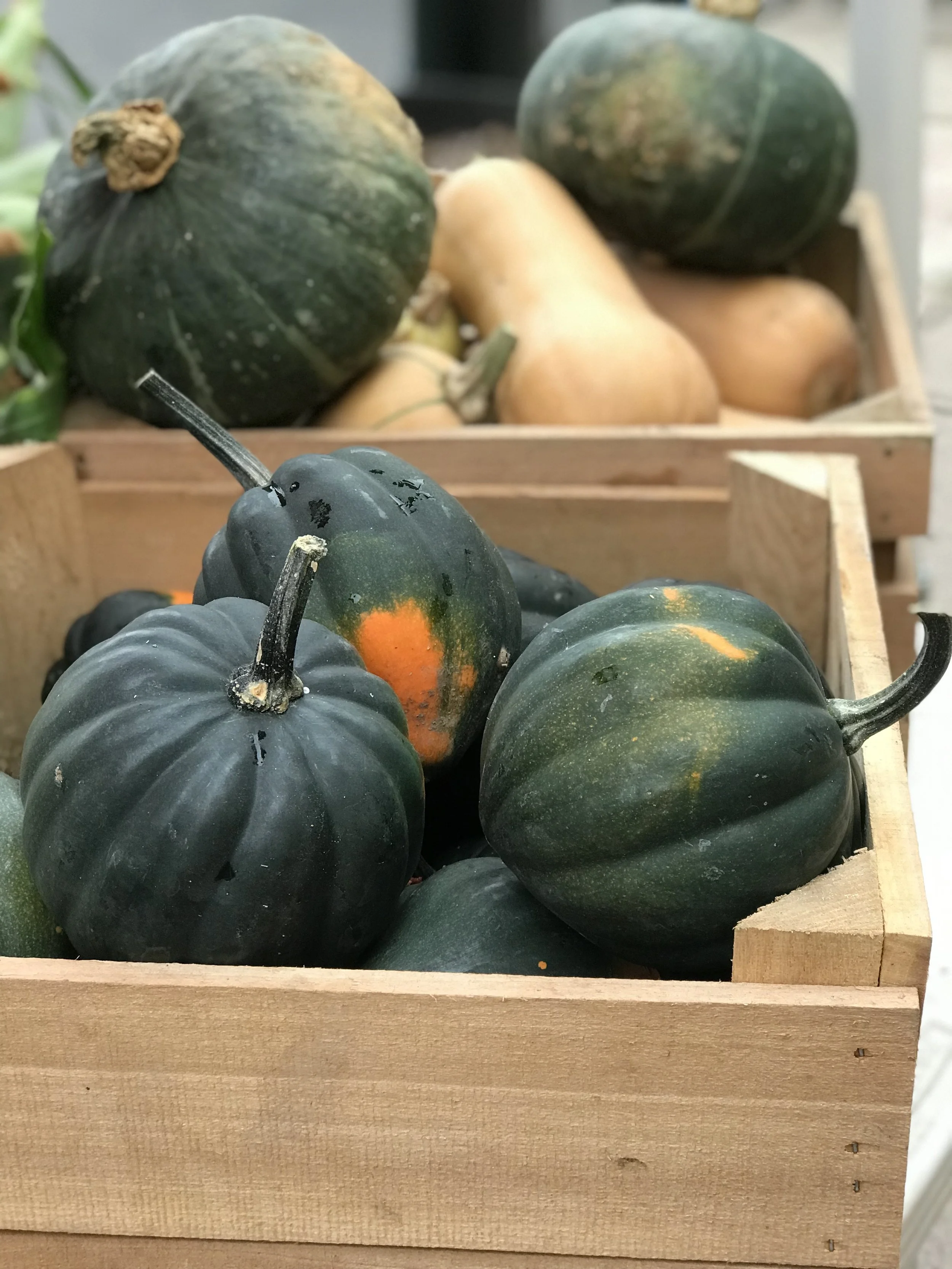
Winter Squash
Examples: Butternut, acorn, delicata, spaghetti squash
Best Temperature: 50–60°F
Best Container: Shelf, crate, or basket with airflow
Storage Tips:
Keep dry.
Avoid stacking if possible.
Store away from direct sunlight.
Storage Life: 1–6 months depending on variety.
-
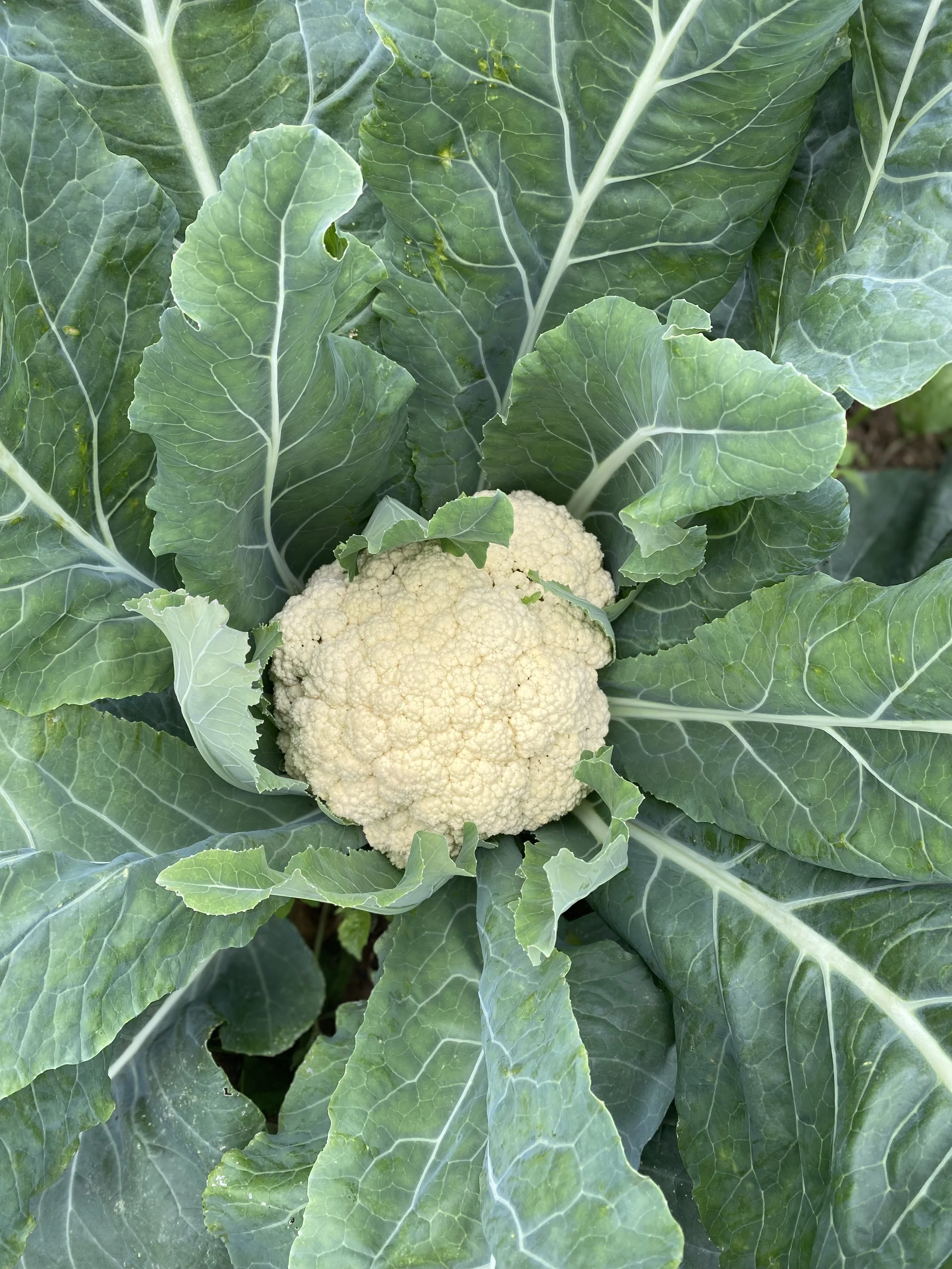
Cabbage and Brassicas
Examples: Cabbage, broccoli, cauliflower, Brussels sprouts
Best Temperature: 32–40°F
Best Container: Loose plastic bag or produce drawer
Storage Tips:
Keep unwashed until use.
Whole heads store longer than cut pieces.
Storage Life: 1–4 weeks.
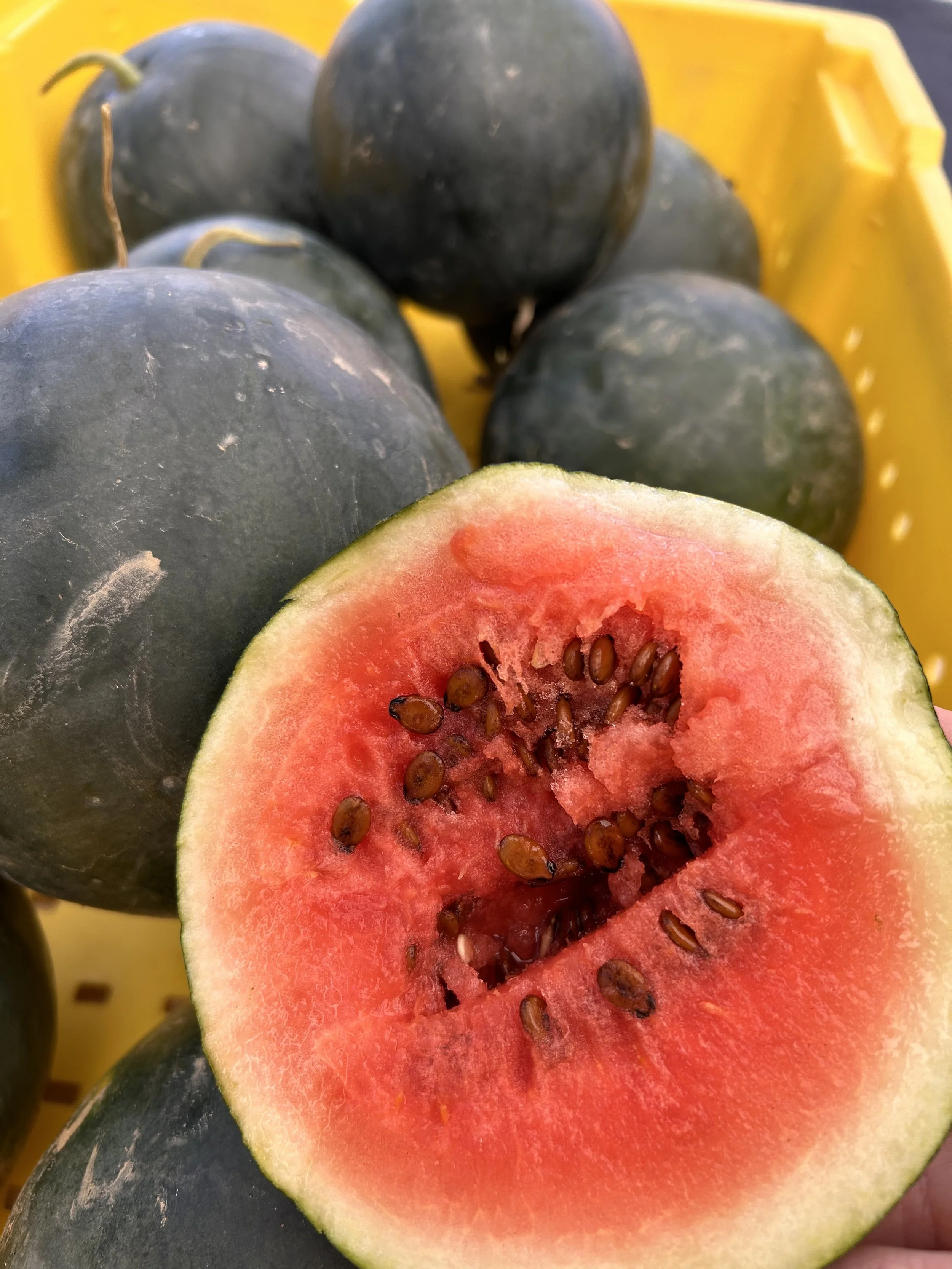
Some fruits release ethylene gas, a natural ripening hormone that can cause nearby produce to age more quickly.
High Ethylene Producers
Apples
Pears
Peaches
Plums
Melons
Tomatoes
Ethylene Sensitive Produce
Lettuce
Kale
Broccoli
Cucumbers
Carrots
Herbs
For the longest storage life, keep these groups separated whenever possible.
Quick Rule of Thumb
Cool and Moist: Leafy greens, root vegetables, broccoli, cabbage.
Cool and Dry: Onions, garlic, winter squash.
Room Temperature: Tomatoes, basil, ripening peaches and pears.
With proper storage, you can enjoy the full flavor and freshness of your farmers market purchases while reducing food waste and getting the most from every harvest.